
Build Design Services in USA
Our skilled team of estimators is equipped to handle a wide range of projects.
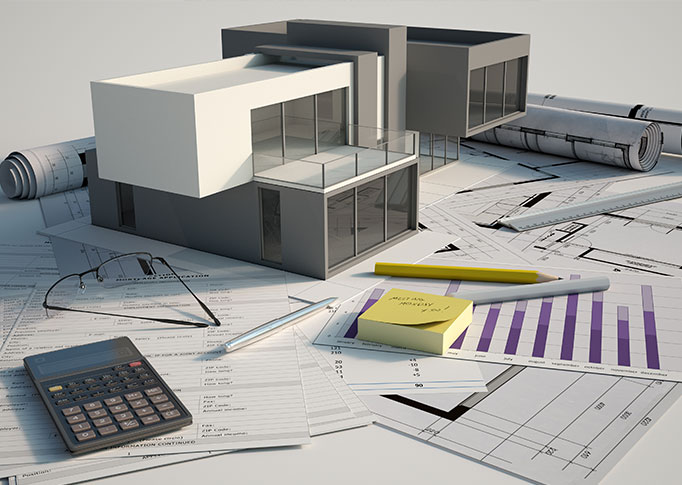
Gain Control Over the Budget and Schedule of Your Project
Do You Have a Delayed Construction Design?
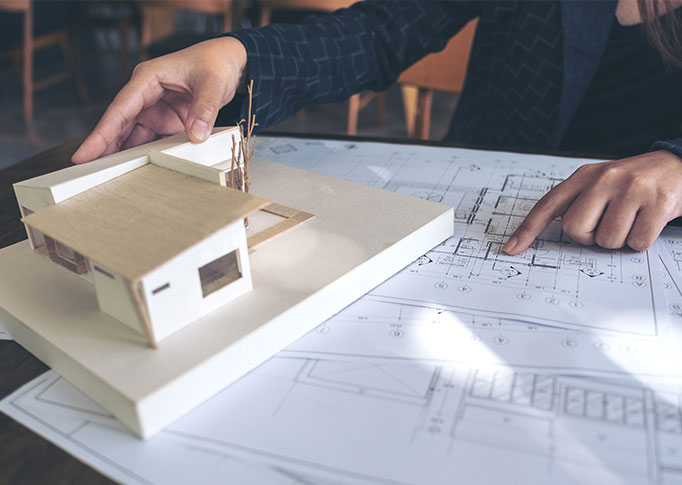
How Do Build Design and Estimation Services Help You?
Benefits for Construction Project Owners
- Accurate estimates with minimal design input
- Fast delivery to keep projects on track
- Collaborative, transparent management
- Reduced costs and boosted efficiency

Benefits for Construction Project Builders
- Higher bid success and stronger market position
- Streamlined processes reduce admin workload
- Precise cost planning boosts profit margins
- Verified estimates minimize conflicts and disputes
Build Design & Estimation Services
Our Services
Buildin Estimating offers comprehensive estimation services that include cost accuracy, design, and planning. Our estimating services assist project owners and contractors save money, increase bids, and save time.
- Handled construction projects and programs
- Provided project advisory and communication
- Managed commercial operations
- Design management and planning
Precise Approximation with Quality Control
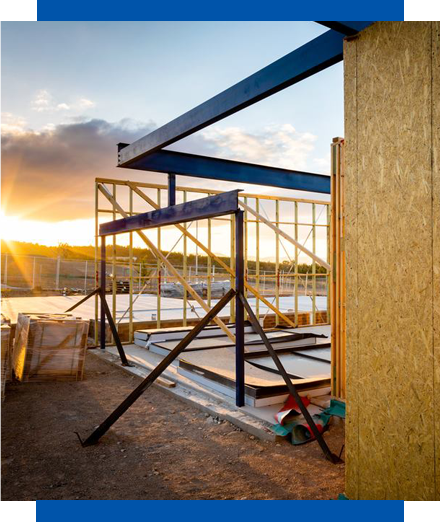
Take advantage of
Quick Turnaround Estimation Services to Meet Deadlines
With the use of Buildin Estimating, contractors can work more quickly.
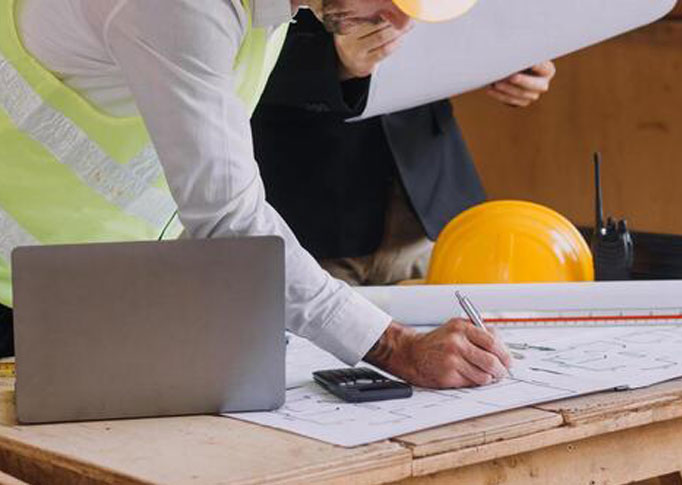
Not sure which services you need? Let’s find out together.
- Property and building developments
- Rail and transit systems
- Tunnel and highway infrastructure
- Road and aviation projects
Transform Your Cost Estimation Process with Design Build Services
- This means you benefit from:
- Enhanced work efficiency
- Faster project completion
- Fewer unforeseen issues
- Significant cost savings within your set budget

Why wait for the entire design-build process to finish before getting an estimate?
- Efficient collaboration for seamless project flow
- Expert professionals with specialized training
- Balanced technology integration for precision and ease
Frequently Asked Questions
What is Design-Build?
How Design-Build is different from traditional project delivery?
What are the main benefits of using Design-Build in the USA?
- Single point of responsibility for design and construction
- Faster project delivery due to overlapping design and construction phases
- Improved cost control with early cost estimating and value engineering
- Better collaboration among architects, engineers, and builders
- Reduced change orders because the team works together from day one
Is Design-Build legal and common in all U.S. states?
What types of projects are best suited for Design-Build?
- Commercial buildings (offices, retail, mixed-use)
- Industrial and warehouse facilities
- Healthcare, education, and institutional projects
- Residential multi-family and some custom homes
- Renovations and adaptive reuse
It’s particularly effective when schedule is critical, the project is complex, or the owner prefers a single, integrated team.
How is project pricing handled in a Design-Build contract?
- Lump Sum / Fixed Price: A single price for the completed project
- Guaranteed Maximum Price (GMP): The Design-Builder guarantees the project will not exceed a set maximum price
- Cost-Plus: The owner pays actual costs plus a fee
Early collaboration allows the team to develop realistic budgets, refine scope, and perform value engineering so the project stays within the owner’s financial targets.
How involved can I be in the design process?
How are quality and building codes managed under Design-Build?
What licenses and insurance should a Design-Build firm have in the U.S?
- Appropriate contractor’s licenses in the state(s) where the project is located
- Access to licensed design professionals (architects, engineers) registered in that state
- General liability insurance
- Workers’ compensation coverage
- Often professional liability (E&O) for design services
- Any other insurance required by the contract (e.g., builder’s risk)
Owners should request proof of licensing and insurance before signing an agreement.
How are changes handled once the project has started?
- The owner requests a change or a condition is discovered on site.
- The Design-Builder evaluates the impact on cost and schedule.
- A formal change order or change directive is issued, documenting the new scope and any associated adjustments.
Because the design and construction teams are integrated, Design-Build often reduces the number and impact of change orders compared to traditional methods.
How do I choose the right Design-Build partner in the USA?
-
- Experience with your project type and size
- Track record of on-time, on-budget delivery
- Qualifications of their architects, engineers, and project managers
- References from past clients
- Clarity and fairness of their contract terms
- Communication style and how well they listen to your goals
Request proposals, review past work, and interview the team you’ll actually be working with, not just the sales staff.